Konto
-

Sichere Zahlungsoptionen
Wir arbeiten ausschließlich mit den sichersten Zahlungssystemen.
-

Produktrückgabe innerhalb von 30 Tagen
Wir geben unser Bestes, um unsere Kunden zufriedenzustellen.
 Bestseller Sale

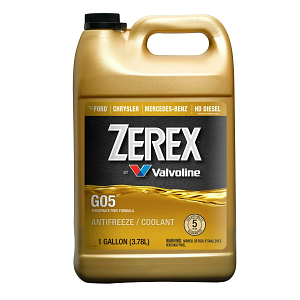
Zerex G05 Phosphatfreies Antifreeze-Kühlmittel-Konzentrat 1 GA
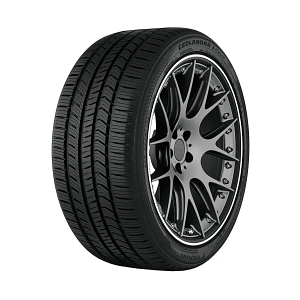
Yokohama Geolandar X-CV Ganzjahresreifen 255/45R20 105W XL SUV/Crossover

YADA 1080P Roadcam, Full-HD Tag & Nacht, Smart G-Sensor Aufnahme 24/7, Bewegungserkennung, inkl. SD-Karte, BT533146
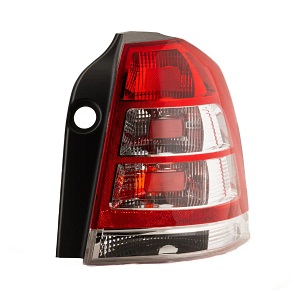
Vauxhall Zafira MK2 2008-2014 Heckleuchte Rückleuchte rechte Seite
Um alle rabattierten Produkte zu sehen und davon zu profitieren:
Hier klickenReifenpflege- und Sicherheitsleitfaden
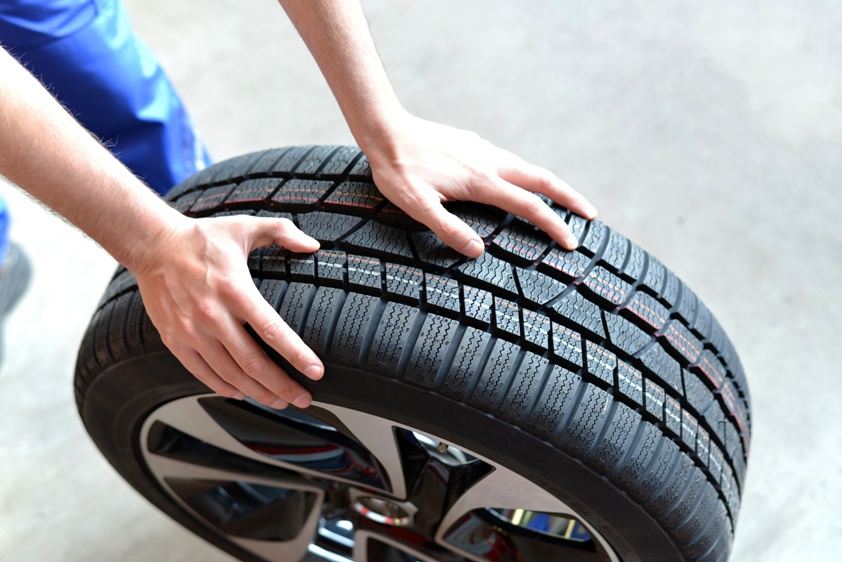
Reifenpflege- und Sicherheitsleitfaden
Ihre Reifen sind der einzige Teil Ihres Fahrzeugs, der die Straße berührt. Ordnungsgemäß gewartete Reifen bieten Sicherheit, einen geringeren Kraftstoffverbrauch und ein besseres Fahrverhalten. Erfahren Sie, wie Sie Ihre Reifen pflegen und erkennen, wann sie gewartet werden müssen.
UNDERSTANDING TIRE BASICS
Knowing tire components and terminology helps you make informed decisions about tire care.
1. Tire Components
Key Parts of a Tire:
- Tread: The grooved surface that contacts the road
- Sidewall: The sides of the tire with size and rating information
- Bead: The inner edge that seals against the rim
- Shoulder: The transition between tread and sidewall
- Inner Liner: The air-tight layer inside the tire
2. Tire Markings
Understanding tire sidewall markings:
- Size: P215/65R16 (width/aspect ratio/radius)
- Load Index: Number indicating maximum load capacity
- Speed Rating: Letter indicating maximum safe speed
- UTQG Rating: Treadwear, traction, and temperature grades
- DOT Code: Manufacturing date and plant information
ESSENTIAL TIRE MAINTENANCE
Regular tire maintenance prevents accidents and extends tire life.
1. Tire Pressure Check
Check tire pressure monthly and before long trips:
- Use a reliable tire pressure gauge
- Check when tires are cold (before driving)
- Refer to your vehicle's door sticker for recommended PSI
- Don't overinflate or underinflate
- Check spare tire pressure too
Pressure Guidelines:
- Most passenger cars: 30-35 PSI
- Light trucks/SUVs: 35-45 PSI
- Check owner's manual for exact specifications
Related Products: Tire Pressure Gauges
2. Tread Depth Inspection
Check tread depth regularly for safety:
How to Check Tread Depth:
- Use the penny test: Insert penny into tread groove
- If Lincoln's head is visible, tread is less than 2/32" - replace tires
- Legal minimum tread depth: 2/32" (1.6mm)
- Safe minimum: 4/32" (3.2mm)
- Use tread depth gauge for accurate measurement
3. Tire Rotation
Rotate tires regularly to ensure even wear:
- Rotate every 5,000-8,000 miles or 6 months
- Follow your vehicle's rotation pattern
- Check tire pressure after rotation
- Balance tires if needed
- Improves handling and extends tire life
TIRE SAFETY INSPECTION
Regular inspections can prevent accidents and costly repairs.
1. Visual Inspection
Check for these issues monthly:
- Uneven wear: Indicates alignment or suspension issues
- Cracks or bulges: Signs of damage or age
- Nails or objects: Embedded foreign objects
- Sidewall damage: Cuts, bruises, or abrasions
- Bead damage: Separations at rim contact area
2. Wheel Alignment Check
Misalignment causes rapid tire wear:
- Vehicle pulls to one side
- Uneven tire wear patterns
- Steering wheel vibration
- Get alignment checked if you notice these symptoms
- Align wheels every 10,000-12,000 miles
3. Balance and Vibration
Unbalanced tires cause vibrations:
- Steering wheel shakes at certain speeds
- Seat or floor vibrations
- Balance tires when new or after rotation
- Check for bent rims if vibration persists
SEASONAL TIRE CONSIDERATIONS
Different seasons require different tire considerations for optimal performance.
1. Winter Tires
Winter tires are essential for cold, snowy conditions:
- Switch when temperatures drop below 7°C (45°F)
- Deeper tread for snow and ice traction
- Special rubber compound stays flexible in cold
- Improves stopping distance by up to 40%
- Store summer tires properly when switching
Related Products: Winter Tires
2. All-Season Tires
All-season tires work in most conditions:
- Good for moderate climates
- Not ideal for extreme winter conditions
- Compromise between summer and winter performance
- Check tread regularly for wear
3. Summer Tires
Performance tires for warm weather:
- Excellent wet and dry traction
- Shorter stopping distances
- Better handling and cornering
- Not suitable for winter use
- Store properly during cold months
Related Products: Summer Tires
TIRE REPLACEMENT GUIDE
Knowing when and how to replace tires ensures your safety.
1. When to Replace Tires
Replace tires if you notice:
- Tread depth less than 2/32" (1.6mm)
- Uneven wear patterns
- Cracks, bulges, or sidewall damage
- Vibration or pulling to one side
- Tires older than 6 years (even with good tread)
- After hitting curbs or potholes
2. Choosing New Tires
Consider these factors:
- Size: Must match your vehicle's specifications
- Type: All-season, winter, or summer tires
- Load rating: Must meet or exceed vehicle requirements
- Speed rating: Should match or exceed your driving needs
- Brand reputation: Choose reputable manufacturers
- Garantie: Look for good tread life warranty
3. Tire Installation
Have tires installed by professionals:
- Professional mounting and balancing
- Torque lug nuts to proper specifications
- Check air pressure after installation
- Break in new tires gradually
- Have alignment checked if replacing all tires
EXTENDING TIRE LIFE
Proper care and driving habits can significantly extend tire life.
1. Driving Habits
- Avoid sudden stops and starts
- Don't ride the brakes
- Stay away from curbs and potholes
- Maintain proper speed
- Avoid overloading your vehicle
2. Storage Tips
- Store tires in cool, dry place
- Avoid direct sunlight
- Keep away from chemicals and solvents
- Don't stack tires if possible
- Clean and dry tires before storage
3. Maintenance Schedule
- Check pressure monthly
- Inspect tires weekly for damage
- Rotate tires every 5,000-8,000 miles
- Align wheels annually
- Balance tires when rotating
Important Safety Warning: Underinflated tires can cause blowouts, reduced fuel economy, and poor handling. Overinflated tires wear prematurely and provide less traction. Always maintain proper tire pressure for safety.
TIRE RECYCLING
Proper disposal of old tires is important for the environment.
- Take old tires to tire retailers for recycling
- Many stores offer disposal services
- Check local recycling programs
- Don't dump tires in landfills
- Some areas charge disposal fees
FINAL THOUGHTS
Your tires are crucial for vehicle safety and performance. Regular inspection, proper maintenance, and timely replacement can prevent accidents and save money.
Remember, tires are your vehicle's connection to the road. Investing in quality tires and proper maintenance pays off in safety, performance, and longevity.
At Enerfero, we offer a complete selection of tires, tire accessories, and maintenance tools to keep your vehicle safely on the road.
Neueste Kommentare
Post-Widget

Essentielle Autowerkzeuge für Anfänger
Wintervorbereitungsleitfaden für Autos